The 3D+1 Business Model

The Framework

Three dimensions of production,
one powerful market engine

Tarl Eco Farms operates across three integrated production dimensions — Nucleus Farms, Micro Coffee Farms, and Outgrower Gardens — all supported by a central eco-processing facility and a dedicated market intelligence, negotiation, and deal closure function.

01
Dimension One

Nucleus Coffee Farms

Our owned nucleus estates are the anchor of the Tarl Eco Farms model — setting quality benchmarks, demonstrating best practice, and producing traceable single-origin Robusta.

  • Kyamate, Ntungamo Municipality
  • Nyakagyera, Nyamirama Village
  • Rwencwera, Ruhoko Village
  • 50-acre expansion target by 2030
  • Smart irrigation on select farms
02
Dimension Two

Micro Coffee Farms

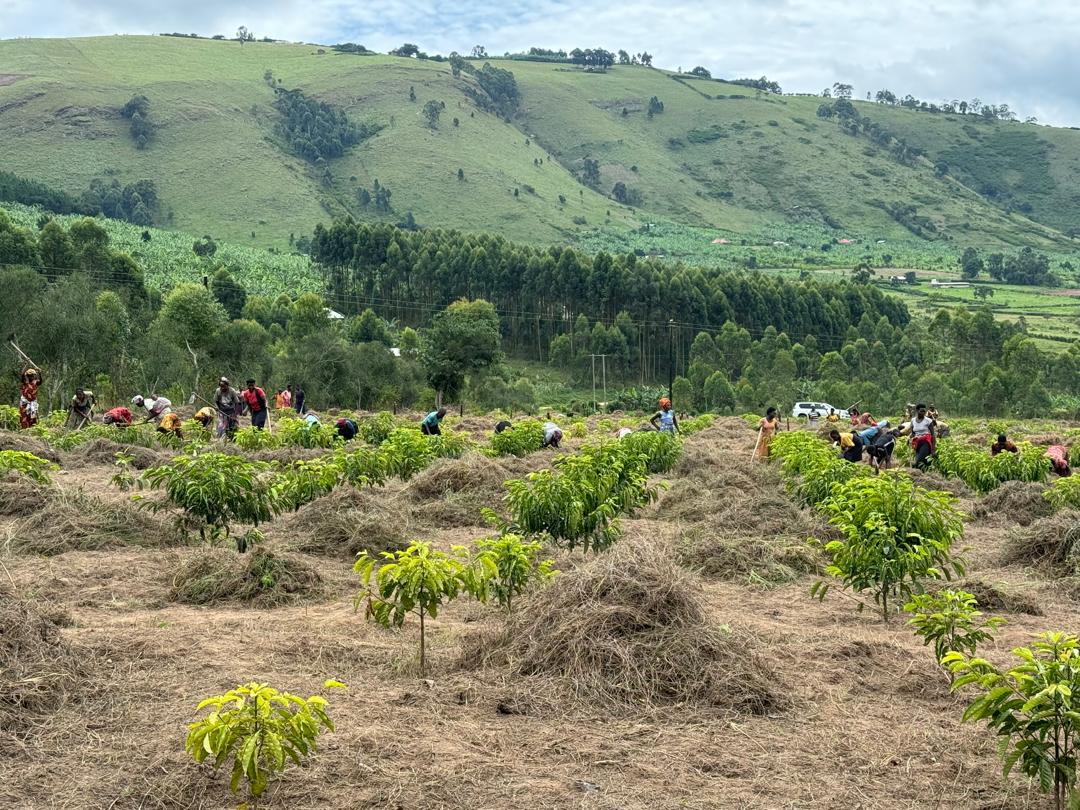
Partnering with local farming households to expand production at scale under the Tarl quality umbrella — extending impact and income across communities.

  • 200 participating farmers targeted
  • 962 acres under development
  • Technology and training support
  • Fair, transparent offtake pricing
  • Integrated into central drying facility
03
Dimension Three

Outgrowers & Community Gardens

1,000+ outgrower farmers partnered across the Ntungamo region, supplying cherry coffee into the central processing hub with full traceability.

  • 1,000+ outgrower target by 2030
  • Community coffee garden partnerships
  • Market intelligence & deal closure
  • Fair & transparent offtake pricing
  • Training & agronomic support
+1
The Central Engine

Central Handling, Processing & Drying Facility

The connective force that unifies all three farm dimensions — a central eco-processing hub where all coffee from nucleus farms, micro farms, and outgrowers is handled, dried, graded, and prepared for market.

  • Central post-harvest handling facility
  • Eco-processing for FAQ Screen 15–18
  • Central drying infrastructure
  • Quality grading & traceability systems
  • Business process automation
  • Links all 3 farm dimensions to market
Coffee Value Chain

From seed to cup — fully traceable

🌱

Cultivation

Nucleus, micro & outgrower farms

☀️

Drying

Central drying facilities

⚙️

Processing

Eco-processing facility

📦

Grading

Screen 15–18 FAQ grading

🌍

Market

Intelligence, negotiation & delivery

Growth Journey

From ideation to global ambition

2015–2020
Ideation Phase

Conception & Model Testing

The 3D on-farm model was developed and tested across initial sites in Ntungamo District. The foundational vision for integrating nucleus farms, micro farms, and outgrowers was established.

2020–2023
Acceleration Phase

Incorporation & Infrastructure

Formal incorporation completed. Nucleus farms expanded. Digitisation and online presence established. Central drying facility set up. Sustainable and socially compliant practices integrated across all operations.

2024–2030
Growth Phase

Scaling Across the Full Value Chain

Micro farms expanding to 962 acres and 200 farmers. 1,000+ outgrowers registered. Irrigation introduced on select farms. Central handling and eco-processing facility established. Social and environmental impact measurement scaled up. Target: UGX 12 billion in annual gross sales by 2030.

Financing

Investment
requirements & modalities

USD 350,000 in grant funding will enable Tarl Eco Farms to leverage at least USD 2 million in debt financing, unlocking transformational impact across the full value chain.
Grant Funding Target
USD 350,000
Seed capital to catalyse the growth phase
Leveraged Debt Financing
USD 2,000,000+
Unlocked by grant funding commitment
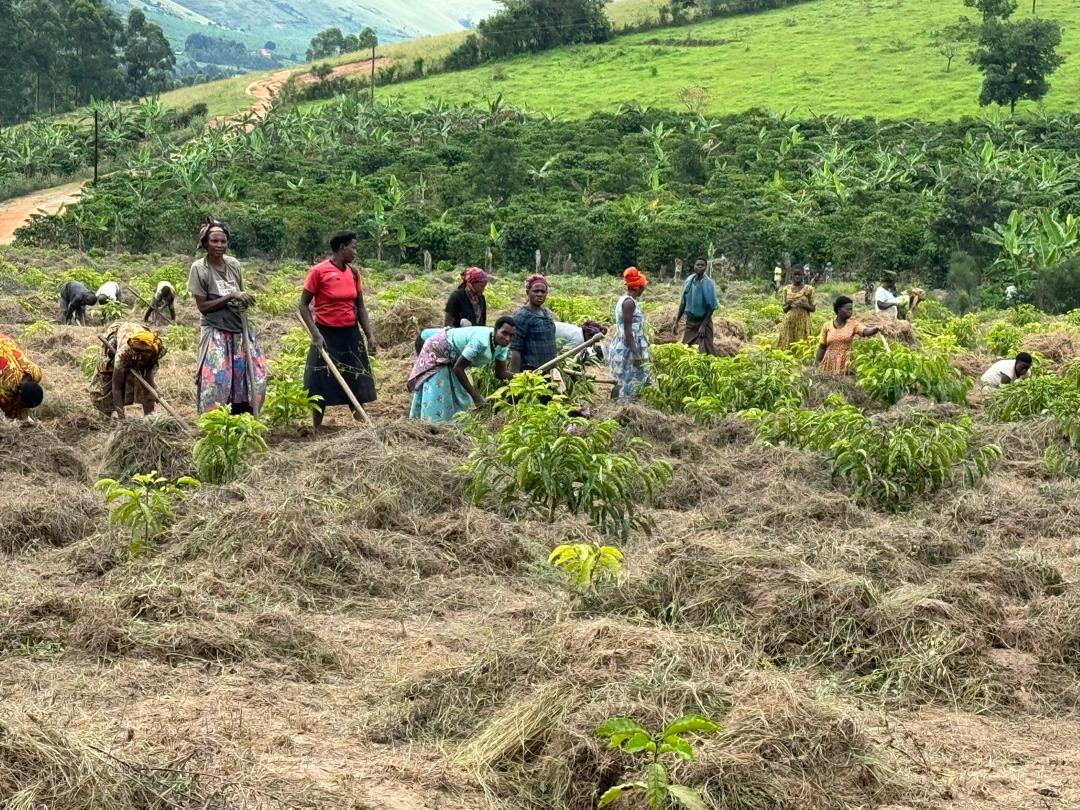
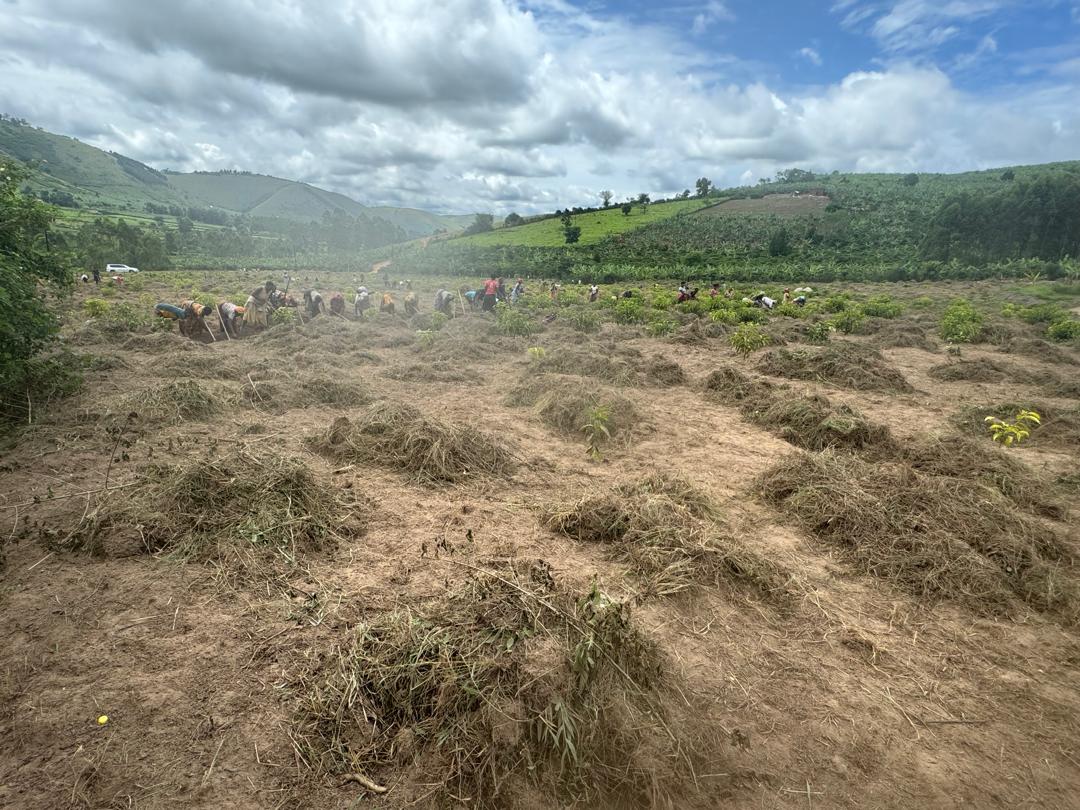
Community farming at Tarl Eco Farms

What the funding achieves

  • Expand and enhance productivity of 50 acres of nucleus coffee estate
  • Expand micro farms to 200 participating farmers and 1,000 acres
  • Create at least 4,260 direct jobs and 13,043 indirect jobs by 2028
  • On-board at least 1,000 coffee farmers into the outgrowers segment
  • Accelerate business process automation for efficiency and traceability
  • Integrate the widest range of smart agricultural practices across the value chain
  • Establish and operate a central post-harvest handling and processing facility