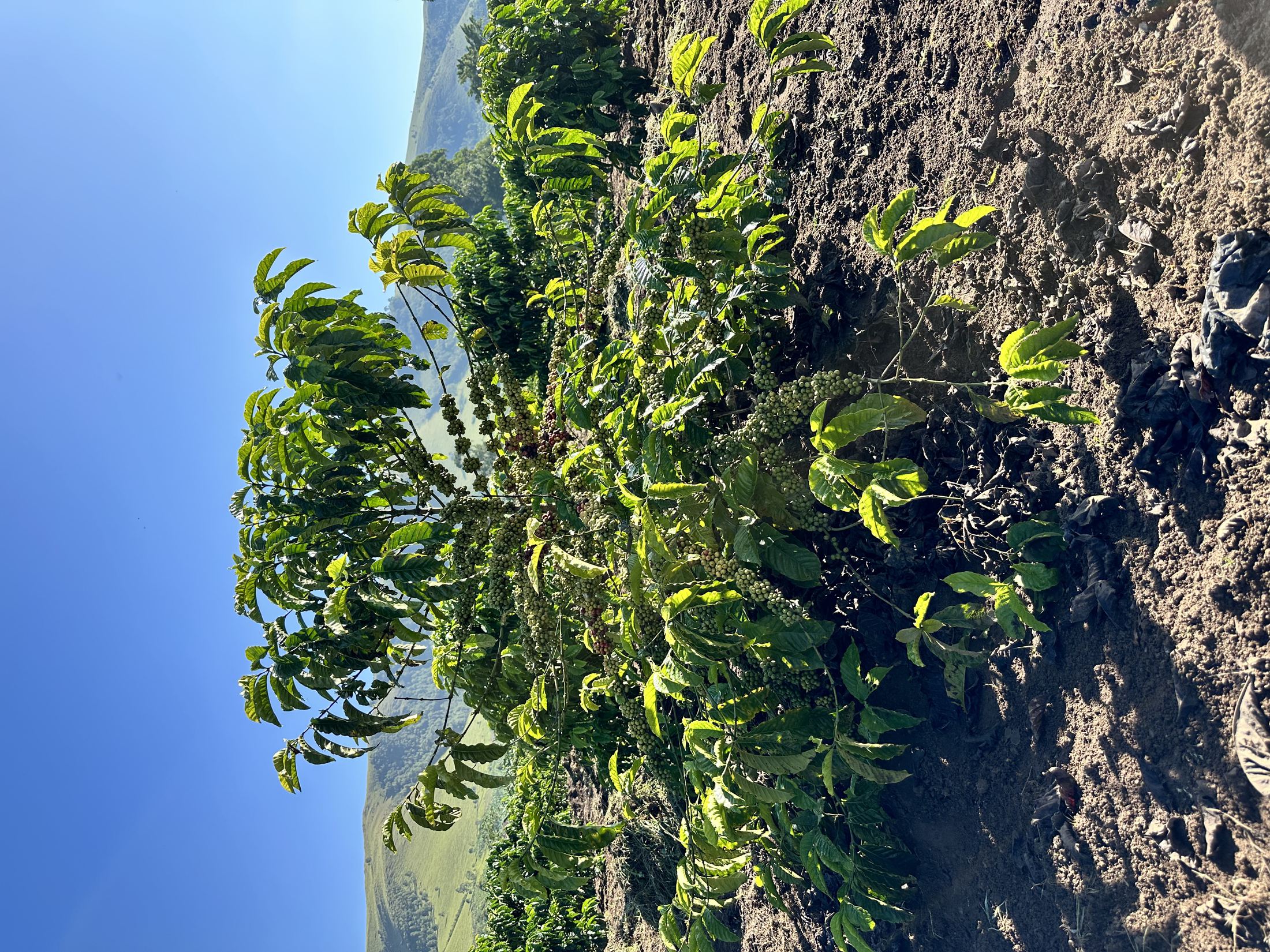
Farming with purpose & planet in mind

Green Practices

Six pillars of climate-smart agriculture

Every decision at Tarl Eco Farms is guided by environmental stewardship, climate resilience, and long-term ecosystem health. Our green practices are embedded across the entire value chain.
๐Ÿ“š

Knowledge Smart

  • Integrated learning platform for farmers
  • Practices adoption network across farms
  • On-farm demonstrations and training
๐ŸŒฆ๏ธ

Weather Smart

  • Stress-tolerant coffee varieties
  • Fast-maturing cultivars
  • Economically valuable shade trees
๐Ÿ’ง

Water Smart

  • Water runoff harvesting systems
  • On-farm water management protocols
  • Water reservoir installations
๐ŸŒฟ

Carbon Smart

  • Conservation tillage practices
  • Strategic shade tree selection
  • Landscape conservation programs
โ˜€๏ธ

Energy Smart

  • Efficient management and use of resources
  • Preference for solar-powered solutions
  • Fuel-efficient engines for processing
๐ŸŒฑ

Nitrogen Smart

  • Intercropping with nitrogen-fixing legumes
  • Site-specific nutrient application
  • Soil quality improvement programs
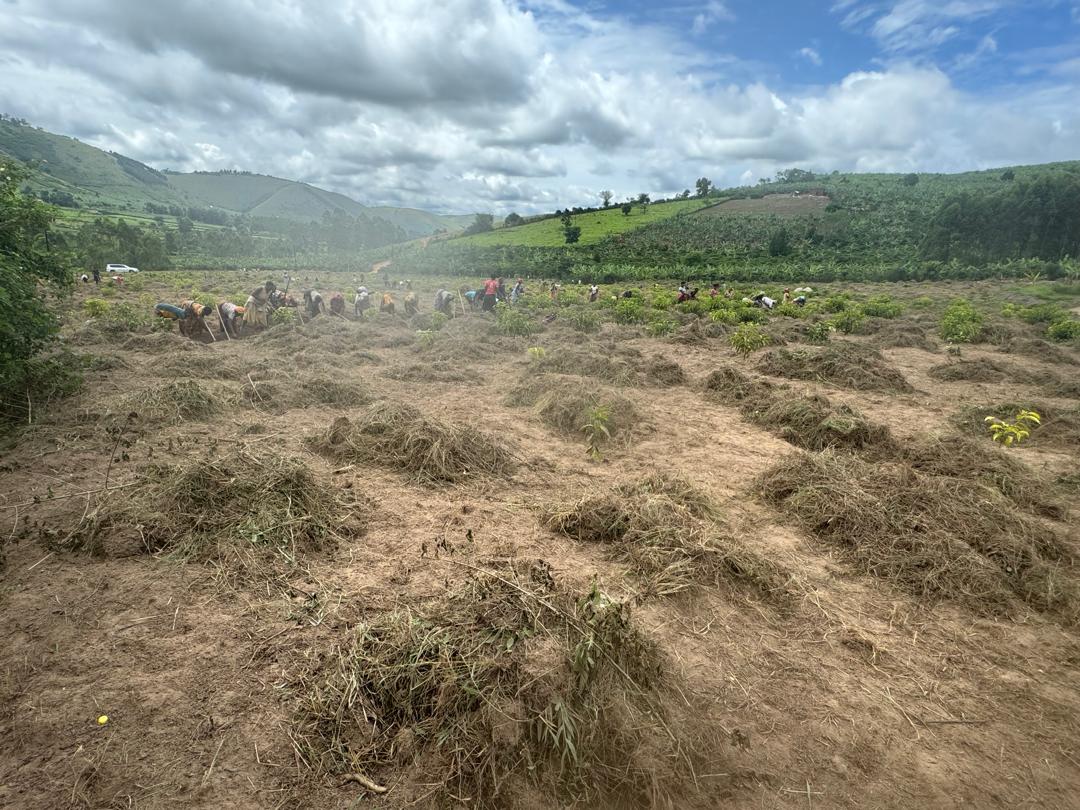
Tarl Eco Farms field operations in Ntungamo

Scale of Operations

Hundreds of hands building
Uganda's finest Robusta

Measuring Impact

Four dimensions of impact

Social Impact

Tarl Eco Farms is committed to measurable improvements in the lives of farming families and workers across the Ntungamo region.

  • School-going girls and boys from participating farming families remain in school and transition to secondary education
  • Participating farmers and farm workers gain the ability to seek and pay for healthcare services
  • Households gain access to clean water through the adoption of water harvesting techniques
  • Increased ownership of smartphones enabling digital access and financial inclusion
1,000+
Farming households participating
200+
Micro farm participants targeted
Clean
Water access via harvesting adoption
100%
School retention target for participating families

Environmental Impact

We hold ourselves accountable to the land โ€” protecting ecosystems, building soil health, and continuously reducing our environmental footprint.

  • Nyakagyera wetland ecosystem and its biodiversity conserved and sustained in perpetuity
  • Soil quality across nucleus and micro farm networks improving through smart agriculture practices
  • Increased farm resilience to climate change through conservation tillage and landscape conservation
  • Number of farmers adopting Tarl Eco Farms environmentally friendly practices increasing annually
6
Climate-smart practice pillars implemented
โˆž
Wetland conservation commitment โ€” in perpetuity
โ†‘
Soil quality trend across all farm networks
0
Target chemical runoff to Nyakagyera wetland

Economic Impact

We measure success not just in revenue, but in the economic transformation of the communities we work within.

  • Over 4,000 direct and 13,000 indirect jobs created across nucleus and micro coffee farm operations
  • Over 200 farmers in nucleus farms transitioning into viable, profitable coffee enterprises
  • At least 100 outgrower farmers transitioning into commercially sustainable operations
  • At least 70% of Coffee Production Enterprise Groups (CoPEGs) commercially viable and sustainable
  • Subsistence coffee farmers increasingly transforming to commercial operations
4,260+
Direct jobs by 2028
13,000+
Indirect jobs sustained
70%
CoPEGs commercially viable target
UGX 12B
Annual gross sales target by 2030

Governance Impact

Economic empowerment leads to civic empowerment. We track how participation in Tarl Eco Farms elevates community leadership.

  • Number of farm workers taking up community, business and political leadership positions
  • Number of micro coffee farmers taking up community and business leadership roles
  • Quality of leadership across Tarl Eco Farm's area of operation improving year on year
  • Governance structures within farming cooperatives becoming more transparent and accountable
โ†‘
Community leaders emerging from our farm network annually
โ†‘
Business leadership positions held by micro farmers
โ†‘
Political representation in Ntungamo region
โ†‘
Cooperative governance quality year on year
What We Track

Accountability through measurement

We don't just set targets โ€” we track progress systematically across four measurement areas.

Productivity & Revenues

  • Change in annual gross revenues by type of farm
  • Change in annual revenues earned by participating farmers
  • Change in annual payment to farm workers
  • Internal Rate of Return (IRR) of Tarl Eco Farms

Environment & Biodiversity

  • Evidence of positive change in species diversity
  • Change in soil quality at nucleus and micro farms
  • Range of climate-smart interventions implemented
  • Number of farmers reporting adoption of climate-smart practices

People

  • Annual increase in number of participating farmers
  • Number of direct jobs on nucleus and micro farms
  • Number of indirect jobs created and sustained
  • Children from participating families remaining in school
  • Farmers and workers owning smartphones
  • Farmers in community and political leadership positions

Upstream On-Farm Operations

  • Annual production data on nucleus farms
  • Annual production data on micro coffee farms
  • Annual offtake data from outgrowers
  • Processing efficiency metrics at central facility